Whale watching in San Francisco and Half Moon BayCalifornia
Humpback and blue whales feed in sanctuary waters from May to November, on trips from $72 (sale) off Pier 39 to $320 for an 8-hour Farallon Islands day. Gray whales pass closest in winter, peaking in mid-January.
Updated October 22, 20263 operators compared13 sources
From each operator's own website, checked October 21, 2026. How we compare.
Pier 39, Marina Green and Johnson Pier
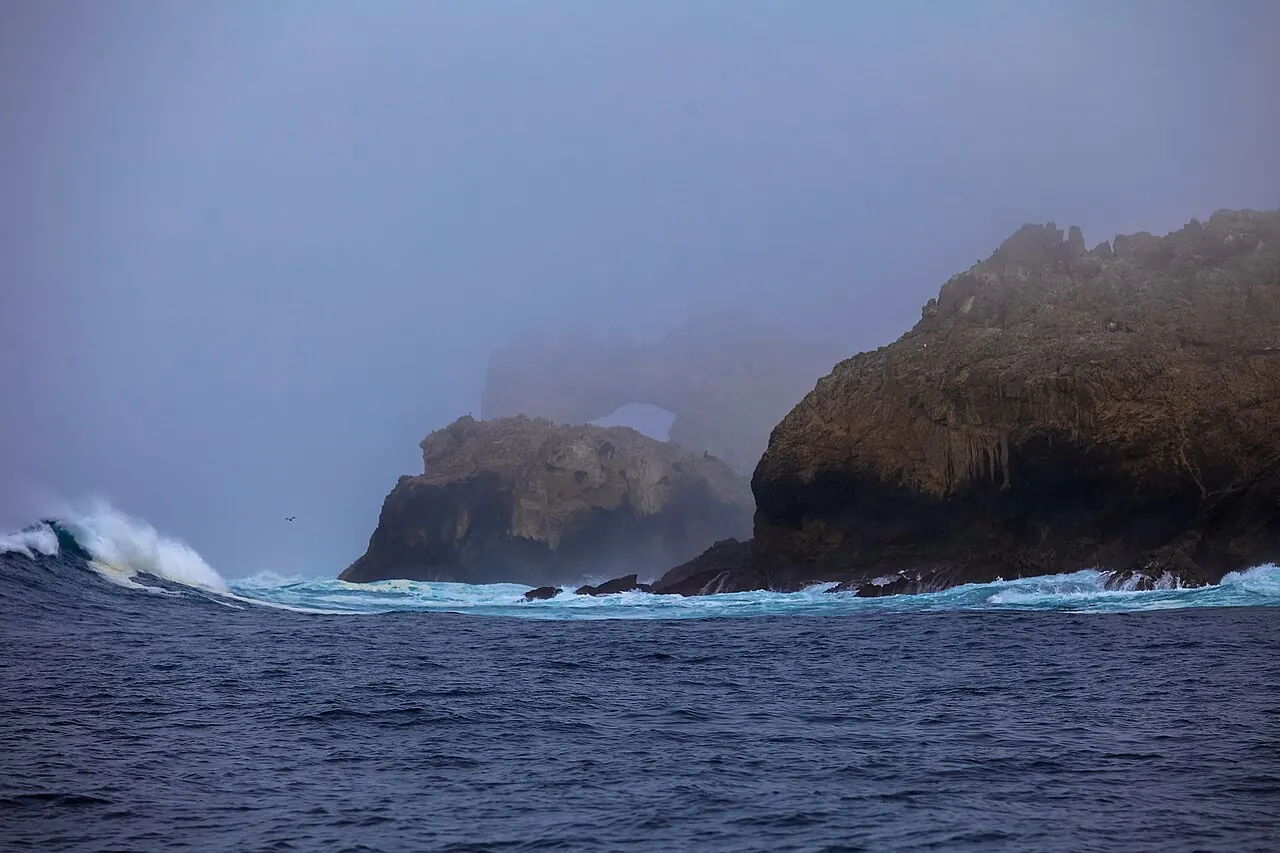
San Francisco Whale Tours leaves Pier 39, just off The Embarcadero. Its 2.5-hour Golden Gate Whale Watch runs March to October. The 4-hour Golden Gate Whale Watch and Beyond runs November to February, heading into the Pacific and sometimes up the Marin coast toward Point Reyes, depending on the wildlife that day. Oceanic Society's Farallon trips use the San Francisco Marina Yacht Harbor at 3950 Scott Street, near Marina Green, where parking is free.
Oceanic Society checks in at 8:00 am, leaves at 8:30 am and returns around 4:30 pm. The Farallon Islands lie 27 miles out, and the boat reaches Southeast Farallon Island a little over 2 hours after leaving. South of the city, Half Moon Bay's whale boats use Johnson Pier in Pillar Point Harbor. Queen of Hearts sails from 27 Johnson Pier, and Visit Half Moon Bay also lists Reel Screamer II at 1 Johnson Pier for whale watching.
Farallon blue whales and mid-January gray whales
Gray whales pass close to shore in winter, and NOAA's Greater Farallones sanctuary says the migration peaks in mid-January. Northbound grays keep passing through June. Visit Half Moon Bay puts its gray whale season from January through the end of March. Oceanic Society says a few gray whales stay around the Farallones in summer, which it calls a rare chance to see them then outside Alaska.
From March to August, upwelling feeds humpback and blue whales in the sanctuary, and day boats around the Farallon Islands see both from May to November. Oceanic Society cites a 96% chance of seeing whales on its April to November Farallon trips, based on 40 years of its own sightings. It finds blue whales along the Farallon Escarpment and humpbacks near the Golden Gate and the coast. Visit Half Moon Bay says humpbacks come closer to shore there in March and early April.
September to November is the sanctuary's oceanic season, a strong time for humpbacks and blue whales, ocean sunfish, sea turtles and sharks, as clearer water draws white sharks to the seals. Over 300,000 seabirds breed on the Farallones, and spring and summer are prime nesting season, with tufted puffins. Oceanic Society adds harbor porpoises under the Golden Gate and says sharks are very rare sightings on its trips.
Winter swells, spring wind and fog, calmer fall
NOAA's Greater Farallones sanctuary describes three sea seasons. From December to February, winter storms out of the north and west raise huge swells and squalls, and coastal water is at its coldest. From March to August, brisk winds drive upwelling and the coast is sometimes fogged in. From September to November the wind eases or reverses and the ocean settles, giving the beaches their quietest sea of the year.
Oceanic Society tells Farallon passengers to expect fog, wind and spray, and to wear waterproof shoes and an outer layer, with a hat, sunglasses and sunscreen. Its trips run rain or shine but are cancelled for high winds or high seas, and passengers are told by email and text, then offered a new date or a full refund.
Kitty Kat, Salty Lady and Queen of Hearts
San Francisco Whale Tours runs the shortest trips. Its Golden Gate Whale Watch was on sale at $72 per adult on October 21, 2026 (regularly $120), plus a booking fee. Children 3 to 9 paid $54, and students, seniors 60 and over and military $60. The 4-hour winter trip was $80.25 with the fee included (regularly $150). Naturalists narrate, and its 65 ft catamaran Kitty Kat also runs private sunset charters for up to 49.
Oceanic Society's Farallon Islands day costs from $320 per person, for ages 10 and up, aboard the 60 ft Salty Lady, which is certified for 48 but usually carries about 33. Each trip has a whale expert, a seabird expert and a professional photographer, whose photos are included. Oceanic Society also charters the Salty Lady privately: $2,950 for a 3-hour Golden Gate trip for up to 35, or $6,950 for a 7.5-hour Farallon day.
In Half Moon Bay, the sportfishing boat Queen of Hearts runs 3-hour whale trips from January to March, usually on weekends, at 10:00 am and 1:00 pm, depending on weather and demand. It publishes no whale watch fare and books through Half Moon Bay Sportfishing & Tackle. None of the three operators states a sighting guarantee.
Watching from shore
Fort Funston. San Francisco's southernmost beach is part of Golden Gate National Recreation Area. The Marine Mammal Center suggests the top of the bluffs near the hang-glider port for a wide ocean view during the gray whale migration.
Point Reyes Lighthouse. Point Reyes reaches about 10 miles into the ocean, so the lighthouse at its tip gives a closer look at passing gray whales than most shore spots, according to The Marine Mammal Center. Southbound whales pass in December and January, and northbound whales from mid-February to early May, with mothers and calves last.
Coastside bluffs, Montara to Half Moon Bay. Visit Half Moon Bay says whales can be seen from the many bluff accesses between Montara and south of Half Moon Bay. Gray whales pass from January to the end of March, and humpbacks move closer to shore in March and early April.
Before you book
Bring your own lunch on Oceanic Society's Farallon trip; coffee and tea are provided, backpacks are allowed and coolers are not.
San Francisco Whale Tours includes no food or drinks; beer and wine are allowed aboard, hard alcohol is not.
From the Coastside bluffs, scan from the kelp beds about 3/4 mile out to the horizon; gray whales travel at about 5 miles per hour.
Watch from shore in the morning with the sun behind you, and look for puffy, often heart-shaped blows that hang briefly over the water.
Getting there. San Francisco International Airport is about 13 miles (21 km) south of downtown San Francisco, and BART trains run from the airport station straight into the city.
NOAA's Greater Farallones sanctuary says humpback and blue whales are seen at the Farallon Islands from May to November, and the gray whale migration passes in winter with a peak in mid-January. Half Moon Bay's gray whale boats run January to March.
How much does whale watching in San Francisco cost?
San Francisco Whale Tours listed its 2.5-hour Golden Gate Whale Watch at $72 per adult on sale (regular $120), plus a booking fee. Oceanic Society's 8-hour Farallon Islands trip starts at $320, and its private 3-hour Golden Gate charter for up to 35 people costs $2,950.